What is CWCT Testing
- Read time: 4 minutes
- Date: 03 Feb 2026
- Rainscreen & Façades
These tests assess how a façade handles environmental factors like air leakage, water ingress, and wind pressure to prevent long-term structural damage or interior leaks. Specifically, Sequence B is a rigorous testing protocol typically used for off-site laboratory mock-ups that includes a specific cycle of air permeability, static and dynamic water penetration, and wind resistance tests at serviceability and safety levels. By choosing a CWCT Sequence B tested façade support system, and in combination with appropriate project specific design and engineering checks, manufacturers and architects can be confident that they are selecting a robust and reliable rainscreen support solution.
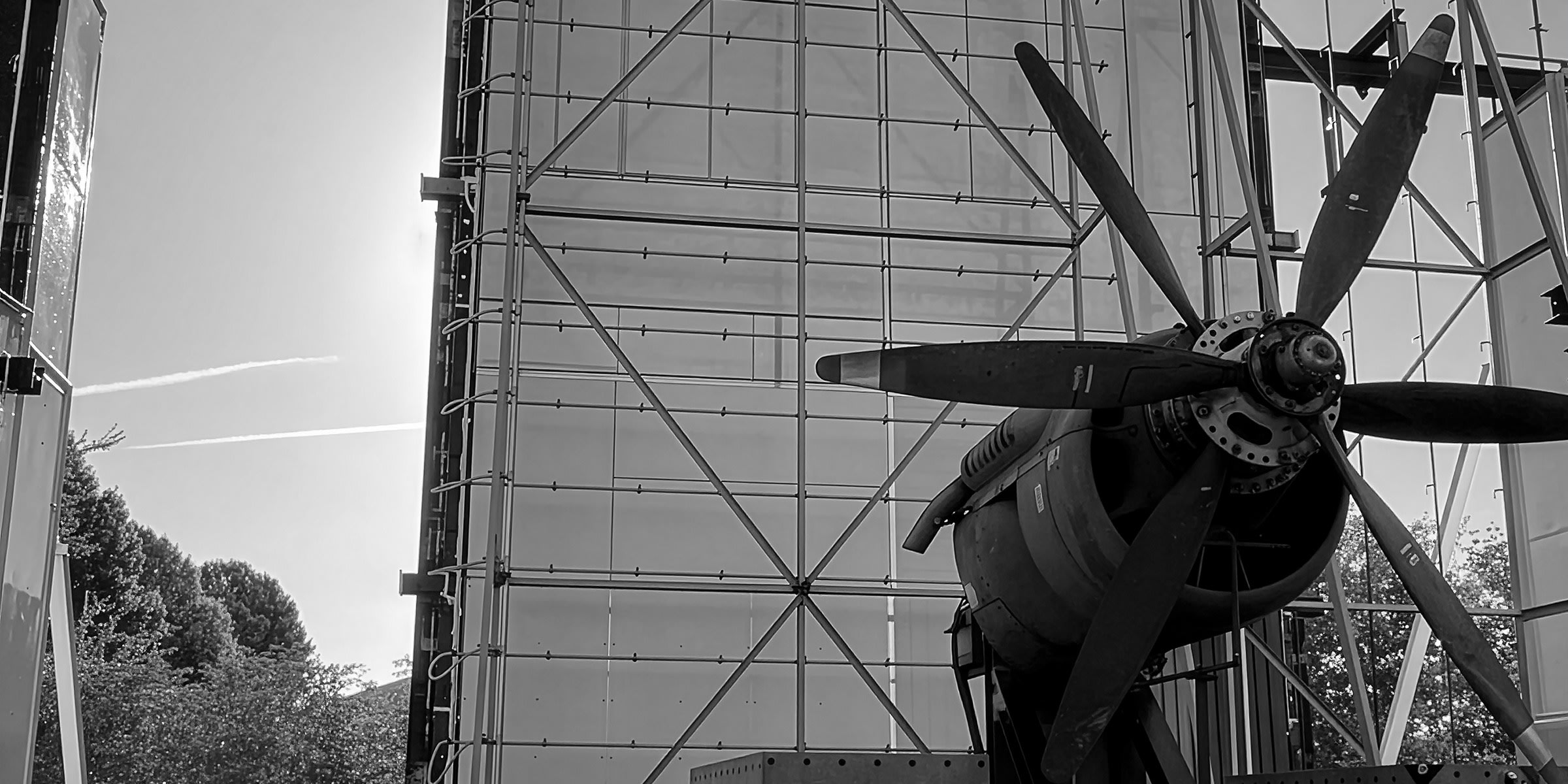
The CWCT Sequence B testing process includes the following key performance assessments:
Airtightness (Air Permeability — Infiltration & Exfiltration): Measures how much air passes through the façade under both positive and negative pressures, indicating the ability of the system to minimise unwanted airflow and heat loss.
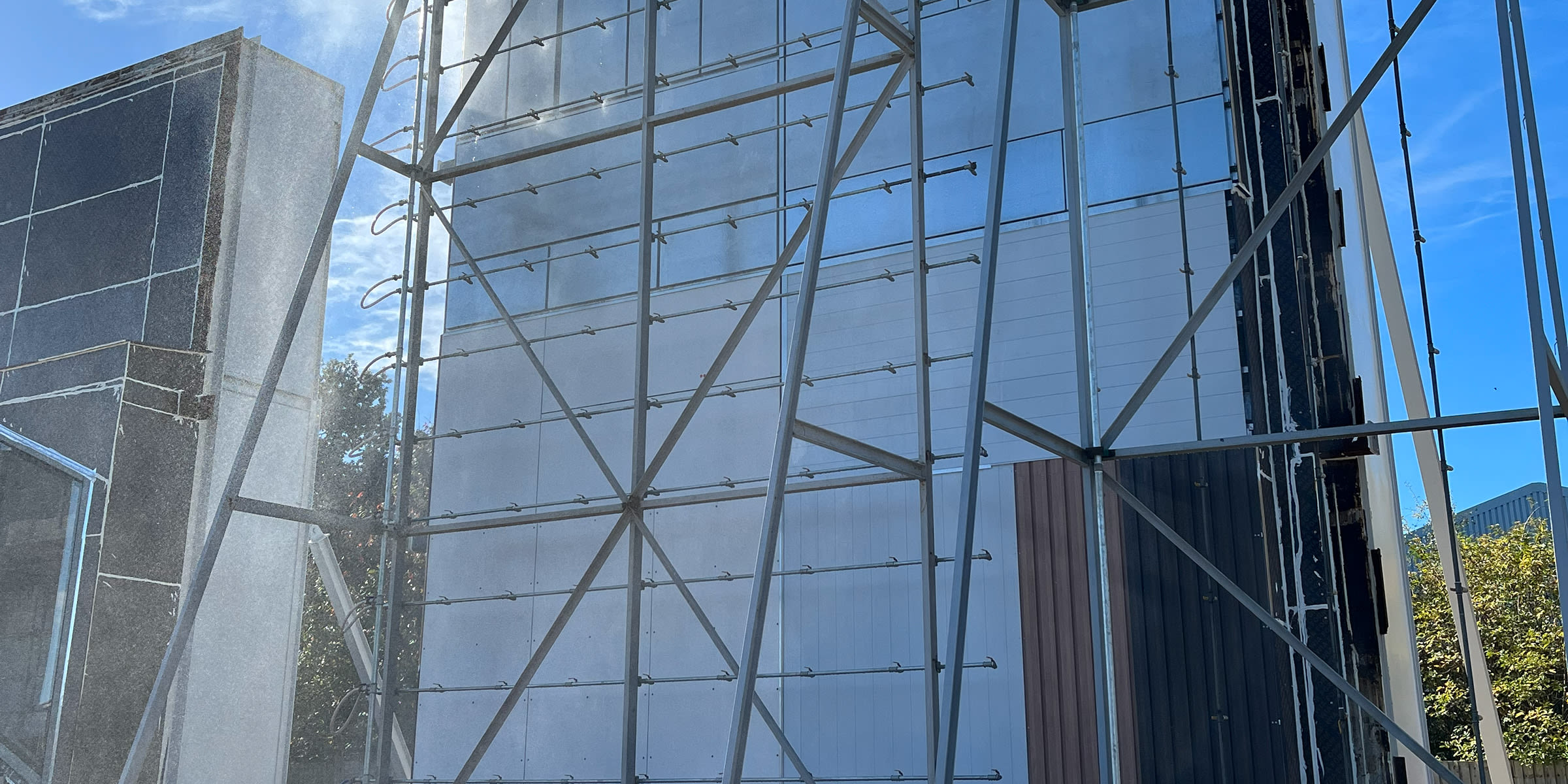
Watertightness – Static and Dynamic: Tests resistance to water penetration under increasing static pressure and under dynamic conditions that simulate wind-driven rain — including use of high-velocity airflow.
Wind Resistance: Evaluates structural performance under both serviceability loads (representative of regular gusting winds) and safety loads (extreme pressures). In some cases, systems are also subjected to an additional cyclic wind test, representative of UK wind load over a 50-year period.
Impact Resistance: Assesses how the system withstands both soft and hard body impacts, ensuring that panels, rails and fixings resist accidental strikes without compromising integrity or safety.
Repeat Testing: Many tests — such as infiltration and static watertightness — are repeated at later stages to check that performance remains consistent after the system has been stressed.
Why is it relevant for Rainscreen façade helping hand systems?
CWCT testing is vital for rainscreen helping hand systems because it validates that the brackets and rails can handle intense wind loads without compromising the building's structural integrity. For specialist subcontractors, CWCT type test reports can provide the technical "deemed to satisfy" evidence needed to technically justify a proposed cladding support solution. Main contractors and building owners benefit from knowing that a tried and tested solution is being utilised, reducing the risk of latent defects and potential remedial costs.